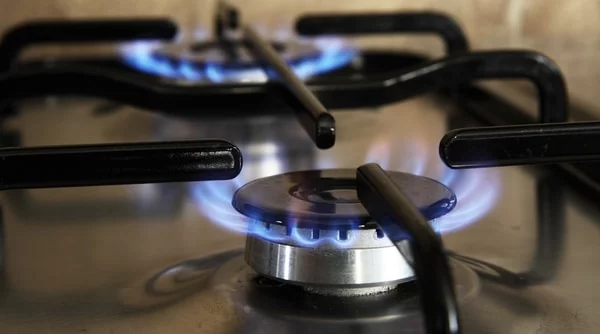
How to Light a Gas Stove Manually (Power Outage Safe Method)
Quick answer: Bring the flame to the burner first, then turn the knob to its lowest setting. Never the other way round. Use a long-reach stove lighter or a long match so your hand stays well clear, and if the burner doesn’t catch within about five seconds, turn the gas off and wait a full minute before trying again. And this applies to the cooktop only — do not attempt it on a modern gas oven.
Most gas cooktops are perfectly usable in a blackout, because the gas valve is mechanical and only the igniter needs electricity. That’s why a manual light is a genuinely useful skill rather than a party trick: it’s the difference between a hot meal and a cold one when the power goes out. Our power outage flashlight guide covers the rest of that kit.
Before You Strike Anything
If you can smell gas, stop. A sulphur or rotten-egg smell means gas has already accumulated. Do not light a flame, do not flip a light switch, do not use an electric igniter — any of these can ignite it. Turn the knobs off, open windows and doors, leave the house, and call your gas utility’s emergency line from outside. That matches Connecticut’s gas-safety regulator’s advice: no matches, candles or light switches, and leave first if the smell is strong. Go back in only when they say so.
Assuming the air is clear, take thirty seconds over these:
- Confirm every knob is in the OFF position. If a burner has been quietly releasing gas, you need to clear the room before adding a flame.
- Ventilate. Open a window or run the hood fan. Manual lighting often involves a couple of failed attempts, and each one releases unburnt gas.
- Have your light source ready and lit before you touch the knob. Fumbling for a match with gas flowing is exactly the sequence that causes flare-ups.
- Tie back long hair, roll up loose sleeves, and take off dangling jewellery. The flame comes up faster than people expect.
- Know where your fire extinguisher is. A kitchen-rated (Class K or ABC) extinguisher within reach of the stove is basic sense, outage or not.
What to Light It With
| Tool | Reach | Works in an outage? | Verdict |
|---|---|---|---|
| Long-reach butane lighter | 6–10 in | Yes | Best option — keeps your hand out of the burner |
| Long fireplace match | 8–11 in | Yes | Fine; burns down toward your fingers |
| Electric arc lighter | 6–9 in | Yes, if charged | Excellent — no fuel, windproof, rechargeable |
| Standard disposable lighter | ~2 in | Yes | Last resort; your fingers end up at the burner |
| The stove’s own igniter | — | No | Needs 120 V mains power |
A long-reach lighter is the right tool and costs a few dollars. Short disposables are the reason people burn their knuckles — the flame front on a gas burner ignites across the whole ring at once, not just at the point you touched.
An electric arc lighter is the better outage tool if you’ll keep it charged: no butane to run out of, no flame to blow out, and nothing to leak. We compare the types in Zippo vs BIC vs arc lighter.
The Step-by-Step
1. Clear the burner. Lift off the grate if it’s in the way, and check the burner cap is seated flat and its ports aren’t blocked with spillover. A misaligned cap is a common reason a burner lights on one side only.
2. Light your lighter or match first. Get a steady flame going while all the gas knobs are still off.
3. Bring the flame to the burner edge. Hold it just above the burner ports, at the rim — not directly over the centre. Come in from the side, not from above.
4. Now turn the knob. Push in and turn to the lowest setting (often marked LITE or LOW). Most gas knobs need to be pressed in before they’ll rotate. Low, not medium: less gas flowing means a smaller, more controlled ignition.
5. Withdraw your hand as it catches. The ring should light within a second or two. Pull back immediately and blow the match out.
6. Adjust to the heat you want. A healthy flame is blue and steady. Yellow, orange or lazy flames mean an air-mixture problem or a dirty burner and are worth investigating — they also produce more carbon monoxide.
If it doesn’t light within about five seconds: turn the knob fully off, move the flame away, and wait at least a minute for the gas to disperse before your next attempt. Repeated fast retries are how a small pocket of gas becomes a flare-up. If two or three attempts fail, the problem is the burner, not your technique — see gas stove that doesn’t ignite.
Never Manually Light a Modern Gas Oven
This is the part most articles leave out, and it matters more than anything above.
Cooktop burners have simple mechanical valves — turn the knob, gas flows. Gas ovens built since roughly the 1990s don’t work that way. They use a glow-bar igniter wired in series with a safety valve: the valve only opens once the igniter has heated up and is drawing enough current. No electricity means no glow bar, which means no current, which means the valve stays shut. GE Appliances puts it plainly: in a power outage you can light the surface burners with a match, but the oven cannot be manually lit.
So in an outage, a modern gas oven simply won’t produce gas — and that’s the safe outcome. The danger is in trying to force it. Poking a lit match into the oven cavity while turning the dial achieves nothing on a working safety valve, and on a partially failed one it can let gas accumulate in an enclosed box before it finds your flame.
The exception is genuinely old ovens with a standing pilot light — a small flame that burns continuously, usually accessible under the oven floor. Those can be relit by hand, and the procedure is printed in the appliance manual. If you don’t know which type you have, assume it’s the modern kind and use the cooktop instead.
Once It’s Lit
- Don’t leave it unattended. A manually lit burner has no flame-failure supervision on most consumer stoves — if a draught or a boil-over kills the flame, gas keeps flowing.
- Keep ventilating. Cooking on gas in a house with no power means no extractor fan, so leave a window open.
- Have a working CO alarm. Battery-powered, and tested. The CPSC recommends one on every level of the home and outside sleeping areas. Unvented gas cooking in a sealed room is exactly the scenario carbon monoxide alarms exist for.
- Don’t use the cooktop for space heating. It’s a common outage mistake and a genuinely dangerous one — CO risk plus an unattended open flame.
- Turn burners fully off when you’re done, and check the knob is seated in the OFF detent rather than just near it.
Two Things That Go Wrong
Clicking but not lighting, with the power on. This is an igniter fault, not an outage. Usually moisture or spillover in the ignition wiring, and it will keep clicking indefinitely. You can light the burner manually while you wait for a fix, but keep the range’s power on only if the clicking isn’t accompanied by any shock — a mains-powered ignition module that shocks you is a real electrical hazard, unlike the harmless zap from a handheld piezo lighter.
Burner lights, then dies when you release the knob. That’s a thermocouple or flame-sensor fault on stoves that have one. Hold the knob in for a further 10–15 seconds after lighting to let the sensor warm up. If it still won’t stay lit, it needs servicing.
FAQ
Can you use a gas stove without electricity? The cooktop, yes — the burner valves are mechanical and only the igniter needs power. The oven, generally no: modern gas ovens use an electric glow-bar igniter wired to a safety valve that stays shut without current.
Should I turn the gas on before or after lighting the match? After. Always have the flame in position first, then turn the knob to its lowest setting. Turning gas on first lets it accumulate.
What if the burner won’t light after several tries? Turn the gas off and stop. Check the burner cap is seated and the ports are clear, then wait a minute between attempts. Persistent failure is a burner or supply problem, not technique.
Is it safe to light a gas stove with a regular lighter? It works, but a short disposable puts your fingers at the burner when the ring catches. A long-reach lighter or fireplace match is the safer tool and costs almost nothing. The candle lighter guide covers the long-reach options.
Why does my stove smell of gas after lighting it manually? A brief whiff from the failed seconds before ignition is normal. A smell that lingers, or one you notice with all knobs off, is not — ventilate, leave, and call your gas utility.
Can I light my gas oven with a match in a power cut? No, not on any modern oven. The safety valve won’t open without the igniter drawing current. Only old standing-pilot ovens can be relit by hand, following the appliance manual.