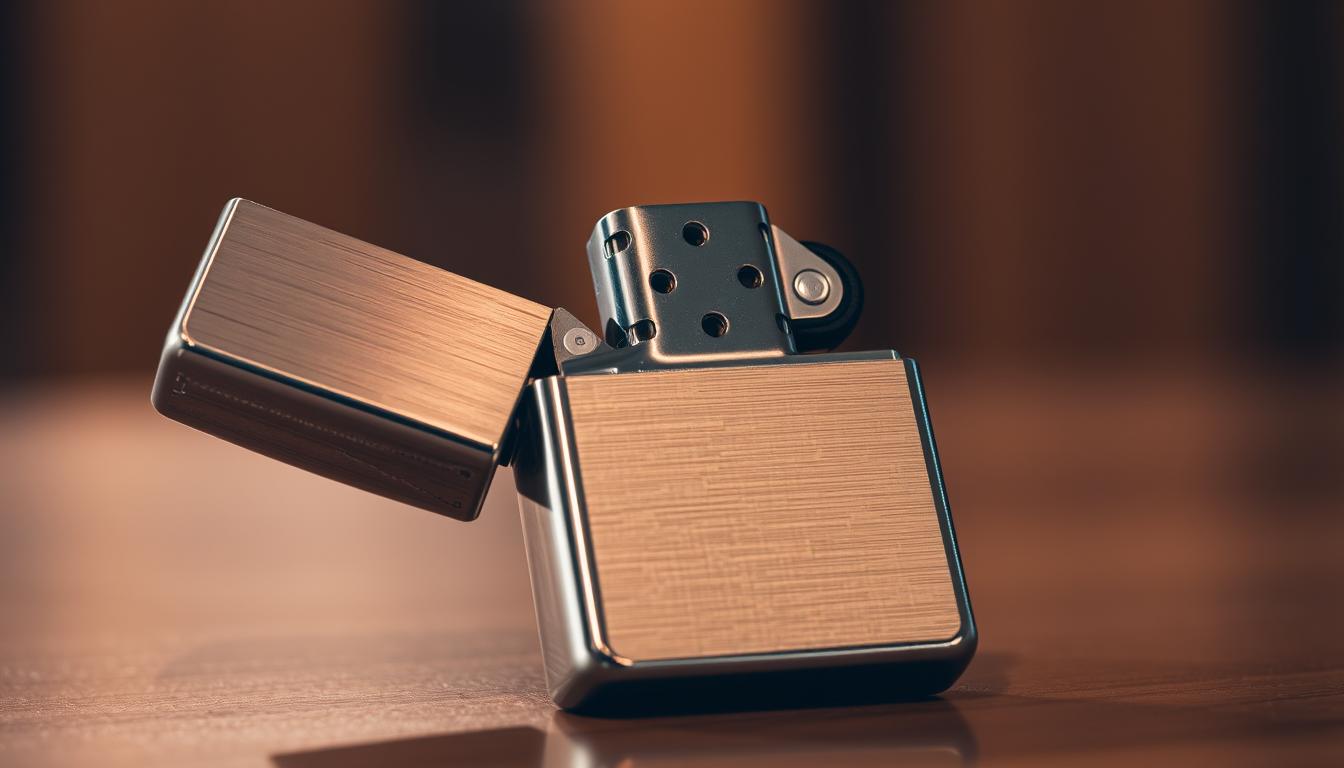
Can a Zippo Explode? Hot Cars, Pockets & the Real Risks
Quick answer: A Zippo is one of the least likely lighters to explode. Unlike disposable butane lighters, a Zippo contains no pressurized gas — its fuel is a liquid soaked into cotton batting inside a vented metal case, so pressure can’t build up the way it does in a sealed plastic lighter. Real incidents are rare and almost always trace back to misuse: overfilling, fuel spilled on clothing, damage to the case, or leaving any lighter in extreme heat.
If you’ve ever wondered whether the Zippo in your pocket is a hazard, you’re not alone — it’s one of the most common questions lighter owners ask. Let’s separate myth from reality.
Why Zippos Are Safer Than Other Lighters
Lighters can explode — but nearly all reported cases involve disposable butane lighters, which hold pressurized liquefied gas in a sealed plastic body. Heat that plastic reservoir (a car dashboard in summer is the classic case) and pressure rises until the casing fails. That’s why BIC’s own FAQ says not to leave a lighter in a hot vehicle or near radiators.
A Zippo works on a completely different principle, and that design — essentially unchanged since George G. Blaisdell created it in 1932 — is why it’s safer:
- No pressurized fuel. Zippo fluid (light petroleum distillate) is absorbed into cotton batting, not stored under pressure. There’s no sealed reservoir to burst.
- Vented metal case. The inner chamber isn’t airtight, so vapor can escape gradually instead of building pressure. The steel case also tolerates heat and impacts that would crack plastic.
- Controlled fuel delivery. The wick draws up fuel by capillary action, and the flint wheel ignites only the vapor at the wick — the flow is naturally self-limiting.
- Lid extinguishes the flame. Closing the hinged lid starves the flame of oxygen. No exposed burner, no valve to stick open.
Zippo backs this with a lifetime “it works or we fix it free” guarantee — the build quality is a genuine safety feature. (See our guide to Zippo repairs and replacement parts.)
Explosion Risk by Lighter Type
| Lighter | Fuel | Stored under pressure? | The realistic hazard | Left in a hot car |
|---|---|---|---|---|
| Zippo (fluid) | Liquid naphtha soaked into cotton | No | Spilled fuel catching on hands or clothes | Fluid evaporates faster; nothing to burst |
| Zippo butane insert | Liquefied butane | Yes | The same as any butane lighter | Take it out |
| Disposable (BIC-style) | Liquefied isobutane in a plastic tank | Yes | Tank failing in heat, or leaking once cracked | BIC says never leave one there |
| Butane torch lighter | Liquefied butane | Yes | Tank failing in heat; a jet flame that’s hard to see in daylight | Take it out |
| Arc (plasma) lighter | None: a lithium battery | No | Battery damage if crushed or overheated | Avoid; heat ages lithium cells |
The pattern is simple: the lighters that can burst are the ones holding pressurized gas. A classic Zippo isn’t one of them, and the one time it becomes one is when you swap in a butane insert.
The Real Risks (and How to Avoid Them)
A Zippo won’t spontaneously explode, but it is a fire-making tool full of flammable liquid. The documented incidents that do exist almost always involve one of these:
1. Fuel spills. The most common hazard isn’t the lighter — it’s the fluid. If lighter fluid spills on the case, your hands, or your clothing during refilling, it can ignite when you strike the flint. Always wipe the case dry and let residue evaporate for a minute or two before lighting. Zippo’s own instructions go further: if there’s fuel on the outside of the lighter, don’t put it in your pocket or next to your skin.
2. Overfilling. Fill the cotton batting until it’s saturated, not swimming — Zippo says to stop when the fuel reaches the top of the packing. Excess fluid leaks through the case seams, onto your hands and pocket. If your Zippo smells strongly of fuel or feels damp, it’s overfilled — let it air out.
3. Extreme heat. The metal case handles hot days and pocket carry fine — far better than a plastic disposable. But don’t leave any lighter on a dashboard, near a stove, or in direct summer sun in a closed car. Heat accelerates evaporation and creates ignitable vapor.
4. Damage. A cracked or badly dented case, a frayed wick, or a worn flint can make any lighter misbehave. Inspect yours occasionally and replace worn parts — flints, wicks, and cotton are cheap and user-replaceable.
5. The wrong fuel. Use genuine Zippo lighter fluid (or a proper naphtha lighter fluid). Never fill a classic Zippo insert with gasoline, alcohol, or butane — the burn characteristics are completely different. (Zippo does sell a separate butane insert designed for it, which is the safe way to get a butane flame in a Zippo case; our butane vs lighter fluid guide covers the trade-offs.)
How to Refill a Zippo Safely
For the full walkthrough with troubleshooting, see how to refill a Zippo lighter.
- Work in a ventilated area away from flames, and make sure the lighter is cool.
- Remove the insert from the case and flip it over.
- Lift the felt pad at the bottom to expose the cotton batting.
- Slowly saturate the cotton with fluid — stop when the fuel reaches the top of the packing.
- Replace the felt pad, slide the insert back in, and wash your hands.
- Wipe the case and wait a minute or two for surface fuel to evaporate before striking.
These are the same steps as Zippo’s official fill guide, which adds one more rule: close the fuel can and check there’s no spilled fuel nearby before you strike. Refilling a butane insert is a different job — see our guide on filling up a gas lighter.
Everyday Safe-Use Habits
- Close the lid to extinguish — don’t blow the flame out.
- Don’t keep it lit longer than you need; the chimney and case get hot enough to burn.
- Keep it away from your face and loose clothing when striking.
- Store fuel cans sealed, upright, and away from heat sources.
- Keep lighters and fluid out of children’s reach — always.
FAQ
Can a Zippo explode in a hot car? No. A fluid Zippo has no pressurized fuel to burst. Heat makes the fluid evaporate faster, and a metal case in direct sun can get hot enough to burn your hand, so keep it out of the sun anyway. The lighter to take out of the car is the disposable one: BIC tells owners not to leave its lighters in a hot vehicle.
Can a Zippo explode in your pocket? No. The realistic pocket problem is a leak: an overfilled Zippo seeps fluid, which irritates skin. Zippo says not to pocket the lighter if there’s fuel on the outside, and to wash any fuel off your skin straight away.
Can a Zippo butane insert explode? It holds pressurized butane, so it follows the same rules as any butane lighter: keep it away from heat, and refill it in a ventilated space away from flames. The steel case protects it better than a plastic disposable, but don’t leave it on a dashboard.
What happens if you put butane in a regular Zippo? Nothing useful, and it’s risky. The fluid insert has no valve or sealed tank, so the butane boils straight off the cotton as a flammable cloud around your hands. If you want a butane flame, use Zippo’s butane insert.
Is it safe to refill a Zippo right after using it? Let it cool first, and make sure the flame is fully out. Fill away from any flame, wipe the lighter and your hands dry, and close the fuel can before you strike it.
Can a dropped Zippo explode? No. A drop can dent the case or loosen the hinge, but there’s nothing pressurized inside to rupture. A dropped disposable is different: if its plastic tank cracks and you smell gas, get it outside and throw it away.
Can Zippo lighter fluid explode? The liquid burns rather than explodes, but its vapor is the hazard. Zippo’s own safety data sheet classes the fluid as a highly flammable liquid and vapor that can form a flammable or explosive vapor-air mixture. That’s why you fill away from flames, cap the can straight away, and never store an open can in a closed space.
Does closing the lid put a Zippo out? Yes. The lid cuts off the flame’s air supply and smothers it, which is the safe way to extinguish one. Don’t blow it out, and close the lid before you put it back in your pocket.
Is a Zippo safer than a BIC? For explosion risk, yes. A BIC stores liquefied gas under pressure in a plastic tank; a fluid Zippo stores liquid in cotton inside a metal case with nothing pressurized. Both are safe when used normally. The disposable is the one to keep out of hot cars and away from heat. For cost and convenience, see Zippo vs BIC vs arc lighter, and for how long a disposable lasts, how long a BIC lighter lasts.
Final Word
Treated with basic respect, a Zippo is about as safe as a flame-making device gets — it’s why the design has survived nearly a century, two world wars, and millions of pockets. The “exploding Zippo” is essentially a myth borrowed from cheap disposable lighters; the real risks are spilled fuel and careless refilling, and both are entirely in your control.
If you’re shopping for one, see our roundup of the top Zippo best sellers on Amazon — classics like the Street Chrome are the easy place to start. Buying one for someone else? Our Zippo gift guide sorts the range by recipient.